Realistic Cloth Fabric Backgrounds for Designers
In the realm of digital design, texture is often the bridge between a flat concept and a tangible reality. While we spend hours debating the merits of a sans serif font versus a serif font for our typography, the canvas upon which that text sits is equally vital. This is where the 10 Cloth Fabric Backgrounds collection steps in. It is not merely a set of images; it is a toolkit for adding warmth, depth, and a tactile quality to projects that might otherwise feel sterile. Whether you are crafting a brand identity for a boutique clothing line or designing a cozy landing page for a lifestyle blog, these textures provide the subtle visual interest needed to ground your work.
The Anatomy of the Texture
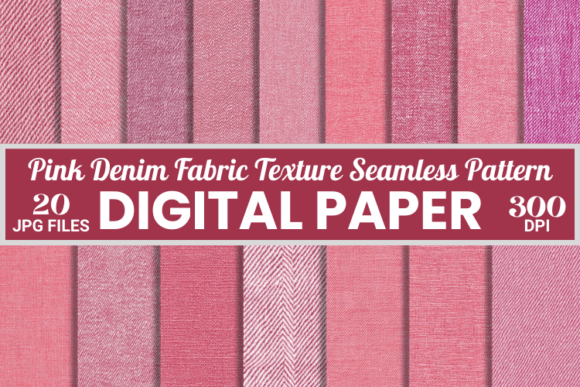
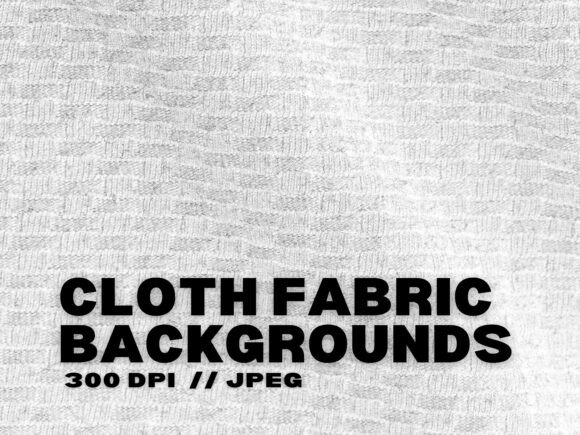
What makes a digital texture effective? It is the ability to fool the eye just enough to evoke a feeling. The 10 Cloth Fabric Backgrounds collection achieves this through high-resolution capture and careful lighting. You aren't just looking at pixels arranged in a pattern; you are seeing the weave of linen, the softness of cotton, and the grain of natural fibers. These are design assets that serve as a foundation for your creative hierarchy.
Visual hierarchy is usually associated with typography—making a headline larger than body copy. However, texture plays a massive role in this too. By using a subtle fabric background, you create a distinct "field" for your content. This separation helps the viewer’s eye navigate the layout. For instance, pairing a rough linen texture with a clean, modern display font creates a compelling contrast. The organic nature of the background softens the sharpness of the typeface, making the overall design feel more approachable and human.
Strategic Applications for Modern Creators
Understanding where to deploy these backgrounds is key to maximizing their value. They are versatile design assets, but their impact varies depending on the medium.
Branding and Packaging Design
For small business owners, packaging design is the first physical touchpoint with a customer. If you sell artisanal goods, candles, or apparel, a digital mockup utilizing these cloth textures can communicate your product's quality before the customer even touches it. Imagine a logo design for a tailor shop set against a rich wool texture. The texture reinforces the industry without the need for excessive explanation. Similarly, in editorial design, such as a magazine spread about home interiors, these backgrounds can frame text blocks, adding a layer of sophistication that plain white space cannot achieve.
Digital Presence and Social Media
The digital space is saturated with flat, vector-based graphics. While there is nothing wrong with minimalism, adding a tactile element can stop the scroll. These 10 Cloth Fabric Backgrounds are perfect for social media graphics. A script font or handwritten font overlaying a soft cotton texture can make a quote post or a promotional banner feel intimate and personal. For web design, these textures can be used as hero images or section dividers. They add personality to a site, helping to establish a consistent brand identity that feels curated rather than generic.
Technical Considerations and Typography
When integrating textures into your workflow, technical precision matters. These files are provided at 300 DPI, which is the standard for print quality. This ensures that if you use them for packaging design or physical stationery, the image will not pixelate or blur. This level of quality elevates them from simple backgrounds to premium font companions—assets worthy of professional, commercial use.
Choosing the right typeface to pair with a textured background requires attention to readability. Because fabric has inherent noise and pattern, you need to ensure your text stands out.
- Contrast is King: If the fabric is dark or heavily textured, use a light-colored sans serif font or a bold serif font with good weight. Thin, delicate typefaces might get lost in the weave.
- Legibility in Headlines: When using a display font for a title over a linen texture, ensure the letter spacing (tracking) is slightly wider than usual. This prevents the characters from visually merging with the fabric fibers.
- Subtlety in Body Copy: Avoid placing long paragraphs of small text directly over a busy texture. Instead, use the texture as a border or place a semi-transparent shape behind your text to ensure the modern typography remains crisp and readable.
Think of the fabric as the stage and your typography as the actor. A chaotic stage distracts from the performance. A textured, neutral stage adds depth and context without stealing the spotlight.
Practical Workflow and Commercial Usage
For entrepreneurs and designers, efficiency is just as important as aesthetics. The 10 Cloth Fabric Backgrounds are designed for an instant download workflow. Once purchased, they are immediately available to be dropped into Photoshop, Illustrator, or Canva. There is no complex installation process, unlike a premium font that might require licensing management or file conversion.
From a commercial standpoint, the versatility of these files is a significant asset. They are licensed for both personal and commercial projects, meaning you can use them for a client's brand identity, a personal digital scrapbooking project, or merchandise like t-shirts and mugs via sublimation printing. This flexibility allows you to maintain a consistent visual style across different mediums. You can use the same linen texture on a website background and a physical business card, creating a cohesive experience for your audience.
Ultimately, good design is about evoking the right emotion. By incorporating the 10 Cloth Fabric Backgrounds into your toolkit, you move beyond flat digital spaces and create environments that feel warm, authentic, and professionally crafted. Whether you are a seasoned graphic designer or a small business owner managing your own marketing, these textures offer a simple way to significantly elevate the perceived value of your work.