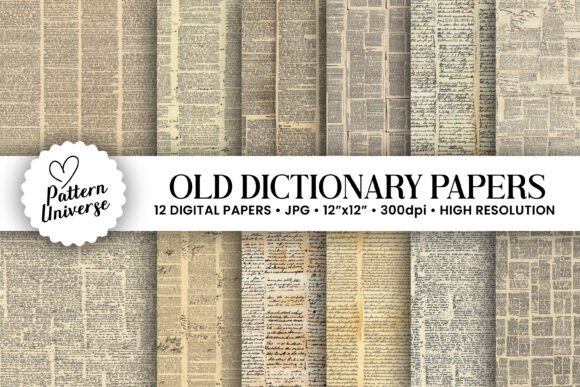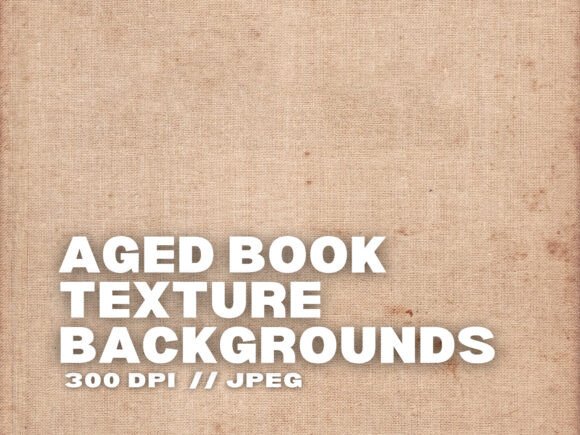
10 Grunge Texture Backgrounds for Creative Design
There's a certain magic in imperfection. A cracked wall, a weathered piece of paper, a faded vintage poster—these surfaces tell a story. In digital design, where everything can feel sterile and polished, injecting that raw, tactile character is what makes a project stand out. That's the core appeal of a well-curated collection of 10 Grunge Texture Backgrounds. These aren't just random stains and scratches; they are purpose-built design assets that serve as the foundation for creating depth, mood, and authenticity.
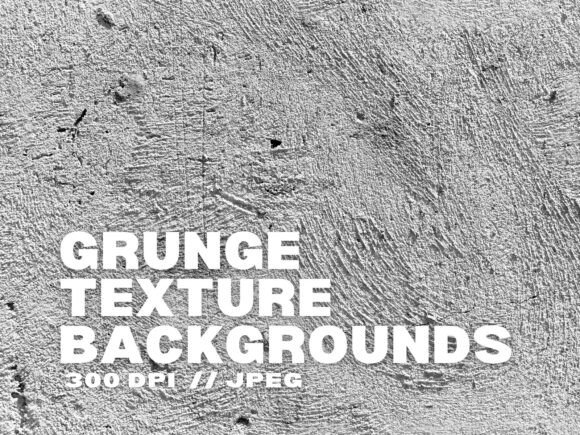
Imagine a social media graphic for an indie coffee shop. A clean, white background is functional, but it's forgettable. Now, place that same text and logo over a subtle, warm-toned grunge texture with a faint paper grain. Suddenly, the post feels handcrafted, inviting, and full of character. This is the practical power of these textures. They are a shortcut to achieving a specific brand identity—one that communicates heritage, ruggedness, or artistic flair without saying a word. The collection we're discussing provides exactly this: ten high-resolution, 300 DPI JPGs at a generous 12x12 inch size, offering a versatile palette of distressed, aged, and vintage effects.
Where These Textures Transform Your Work
The true value of these backgrounds lies in their versatility. They are not confined to a single niche. For a graphic designer, they become an essential layer in poster design or album cover art, adding a layer of visual noise that breaks up flat color and guides the viewer's eye. In packaging design, a subtle grunge overlay can make a product feel artisanal and premium, connecting with consumers who value craftsmanship. The textures excel in editorial design, too, providing a rich, tactile backdrop for magazine layouts or book covers that aim for a historical or alternative aesthetic.
Beyond traditional print, their application in digital spaces is equally powerful. For web design, they can be used as hero section backgrounds, section dividers, or subtle website textures that enhance user experience by adding visual interest without compromising readability. This is where understanding modern typography is key. A strong, clean sans serif font or a classic serif font paired against a grunge texture maintains excellent legibility while the background adds personality. The contrast between the structured typeface and the organic texture creates a dynamic visual hierarchy.
For entrepreneurs and content creators, these textures are a branding workhorse. Use them to create cohesive social media graphics that have a consistent, recognizable style. Apply them to logo design concepts to test how a mark feels in a more textured, real-world context. They're perfect for scrapbooking and DIY projects, adding a nostalgic, distressed feel to printables and personal crafts. Even for apparel & merchandise, placing a logo or graphic over a grunge texture and then applying it to a t-shirt mockup gives an immediate sense of the final, worn-in product.
Integrating Textures with Intention
Simply dropping a texture onto a canvas isn't enough. The difference between an amateur result and a professional one lies in intentional integration. Here’s how to think about using these assets effectively:
- Evaluate Project Fit: Does your project's narrative call for a rustic, worn, or vintage feel? A tech startup's sleek app interface might not be the right fit, but a craft brewery's menu or a musician's tour poster absolutely is. The texture should support the story, not distract from it.
- Master the Blend: In your design software, experiment with layer blending modes like Multiply, Overlay, or Soft Light. These modes allow the texture to interact with your underlying colors and graphics, creating more natural and integrated effects than simply placing it on top.
- Consider Readability First: Always prioritize your message. Use the texture at a reduced opacity or in areas with less critical text. Pair it with high-contrast, legible typefaces. A display font or script font can be used for headlines, but ensure body text remains crystal clear. This is fundamental to good visual hierarchy.
- Build a Cohesive System: Don't just use one texture randomly. Select two or three from the collection that share a similar tone or era. Use one for backgrounds, a different, more subtle one for sidebar elements, and perhaps a third for accent graphics. This creates a unified brand identity across all your materials.
Think of these ten backgrounds not as ten separate files, but as a toolkit for building a complete visual language. They allow you to test how different font pairings and color palettes feel in a more complex environment. A handwritten font might feel too casual on its own, but when set against a muted, paper-like grunge texture, it can achieve a charming, personal quality perfect for a boutique brand.
Making the Practical Choice
When selecting any design asset, practical considerations matter. The high-resolution 300 DPI and 3600x3600 pixel specifications of this collection ensure they are truly premium font-level assets—ready for large-format print without pixelation. This eliminates the frustration of finding a great texture online only to discover it's too small for your project.
Furthermore, understanding licensing is crucial, especially for commercial work. These textures are provided for both personal and commercial use, which is a significant advantage. You can confidently use them in client projects, on products for sale, and across your business's marketing channels without legal ambiguity. This peace of mind is invaluable for freelancers and small business owners.
Ultimately, the goal is to create work that resonates. In a crowded digital landscape, the details make the difference. A thoughtfully applied grunge texture can elevate a simple design into something with soul and story. It’s a practical, powerful tool for any creator looking to add depth, character, and a touch of authentic vintage aesthetic to their work. By choosing the right assets and integrating them skillfully, you move beyond mere decoration and into the realm of meaningful visual communication.