10 Brown Leather Backgrounds for Sophisticated Design
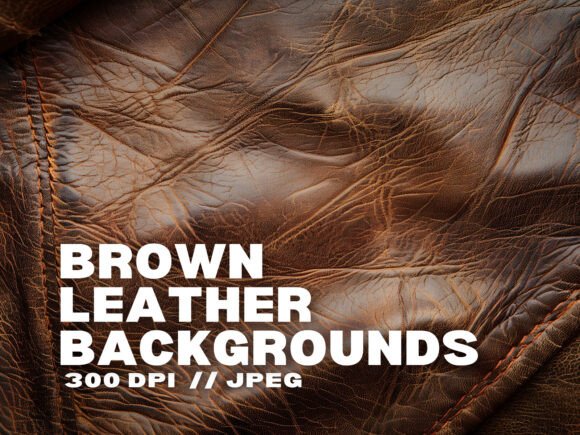
There’s a certain weight and warmth that only real leather can provide. It speaks of heritage, craftsmanship, and enduring quality. In the digital realm, capturing that authentic feel is a powerful tool for any designer. A set of 10 Brown Leather Backgrounds offers an immediate solution, providing a library of rich, tactile textures that can transform a flat design into something with depth and character. These aren't just generic patterns; they are high-resolution digital assets designed to mimic the subtle grain, natural variations, and soft sheen of genuine leather, from deep espresso browns to warmer, honey-toned hides.
The visual personality of these backgrounds is one of understated elegance and rugged sophistication. They carry a sense of history and authenticity, making them ideal for projects that aim to convey trust, tradition, or artisanal quality. The appeal lies in their versatility. A dark, finely grained texture can form the perfect, serious backdrop for a corporate logo, while a more weathered, lighter brown can add a rustic, inviting feel to a café's menu or a boutique's social media post. Each background in a quality set will offer a different mood, allowing you to select the precise tone of voice for your visual communication.
Where Texture Meets Strategy: Practical Applications
Understanding where to deploy these 10 Brown Leather Backgrounds is key to leveraging their full potential. They are far more than just decorative fills; they are strategic design assets that can significantly influence brand perception and audience engagement.
In branding and logo design, a leather texture used sparingly—as a background for a logo lockup on a business card or a letterhead—can instantly elevate the perceived value of a service or product. It suggests durability and premium quality, which is invaluable for businesses in fields like consulting, craftsmanship, luxury goods, or heritage brands. For packaging design, especially for artisanal products, gourmet foods, or high-end spirits, these textures can create a shelf presence that feels tactile and luxurious even before the product is touched.
Digital applications are equally broad. For web design, a leather texture can serve as a compelling hero section background for a portfolio site, a law firm's website, or an online store specializing in handcrafted goods. It breaks the monotony of flat color and creates a memorable visual anchor. In social media graphics, using a consistent leather background for quote cards, announcement posts, or product features helps build a recognizable and cohesive brand identity across platforms. The texture adds a layer of professionalism and intentionality to your content.
For print and personal projects, the applications are wonderfully creative. Editorial design for magazines or lookbooks can use these textures to add a vintage or rustic feel to chapter openers or feature spreads. Scrapbooking, journaling, and invitation design benefit immensely, as the leather provides a beautiful, complex background that adds depth without competing with photos or text. Even in the realm of sublimation and transfers, these high-resolution JPGs can be used to create custom merchandise like notebook covers, phone cases, or coasters with a realistic leather finish.
Integrating Texture with Typography and Visual Hierarchy
Introducing a strong texture like leather requires a thoughtful approach to typography and layout to maintain clarity and effectiveness. The goal is harmony, not competition. A busy, high-contrast leather background will demand a clean, legible font pairing. A classic serif font for headlines can complement the traditional feel, while a clean sans serif font for body text ensures readability against the textured surface. Avoid overly ornate script fonts or handwritten fonts for critical information, as they can become lost in the grain.
The texture itself can guide your visual hierarchy. Use the areas of the leather that are smoother or have a more uniform tone for placing important text or logos. You can also use a semi-transparent colored overlay or a simple shape (like a rectangle with a slight drop shadow) to create a clear "canvas" on top of the texture, ensuring your message remains the focal point. This technique allows you to enjoy the background's richness without sacrificing the professionalism and readability of your brand identity or editorial design.
A Practical Guide to Selection and Use
When you acquire a set of 10 Brown Leather Backgrounds, you're investing in a versatile toolkit. Here’s how to evaluate and use them effectively:
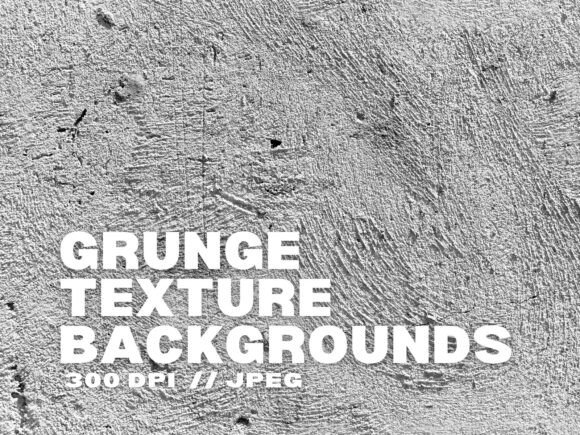
- Evaluate the Collection: Don't just look at the thumbnails. Examine each background at full resolution. Note the differences in grain, color saturation, lighting direction, and level of distress. A good set will offer variety—from sleek and modern to aged and rustic.
- Test with Your Core Elements: Before finalizing, place your logo, key typography, and main imagery over several different backgrounds. See which texture enhances your elements rather than distracting from them. The right background should make your work feel more polished.
- Consider the Commercial License: For any professional work, ensure the license permits commercial use. This is crucial for projects like client branding, merchandise, or any design intended for sale or widespread distribution.
- Mind the Resolution: At 300 DPI and large file sizes, these assets are ready for both high-quality print and sharp digital displays. This eliminates the need for upscaling, which can degrade texture quality.
In practice, these design assets are about adding a layer of sensory experience to a visual medium. They answer a specific need for warmth, depth, and authenticity that flat colors cannot provide. By choosing the right texture and applying it with strategic consideration for typography and layout, you can significantly enhance the emotional resonance and professional appeal of your creative projects, from a personal blog to a full-scale commercial branding