Timeless Texture: Using Vintage Junk Journal Backgrounds
Understanding the Aesthetic of Aged Paper
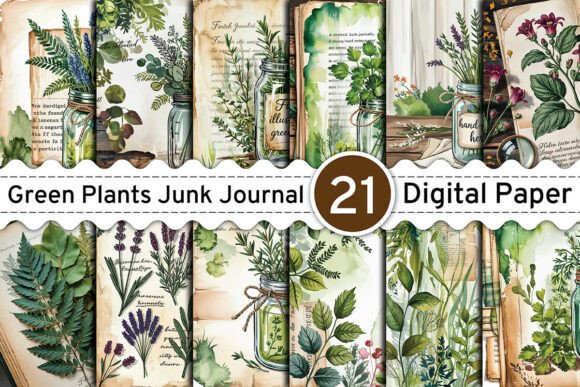
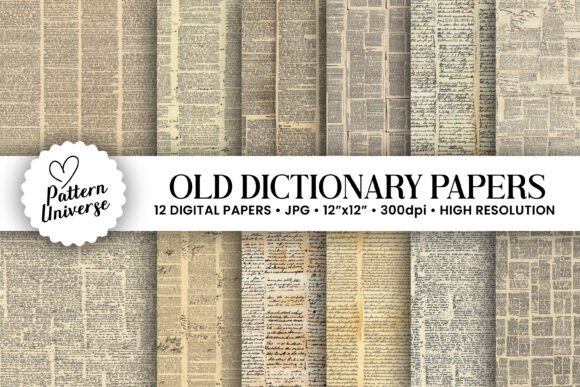
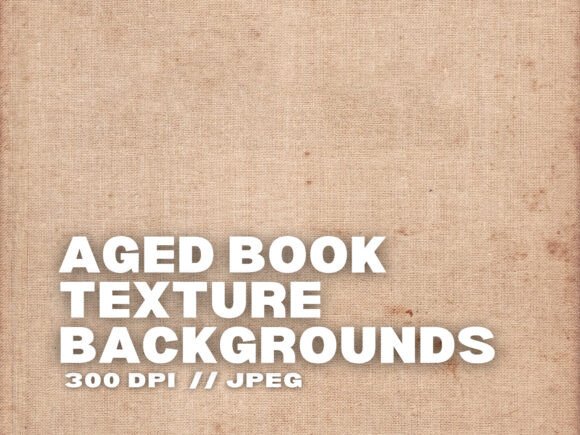
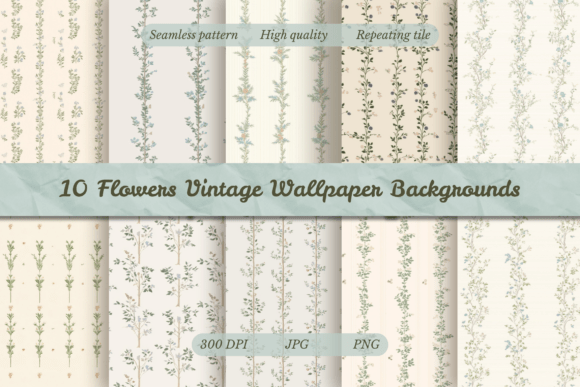
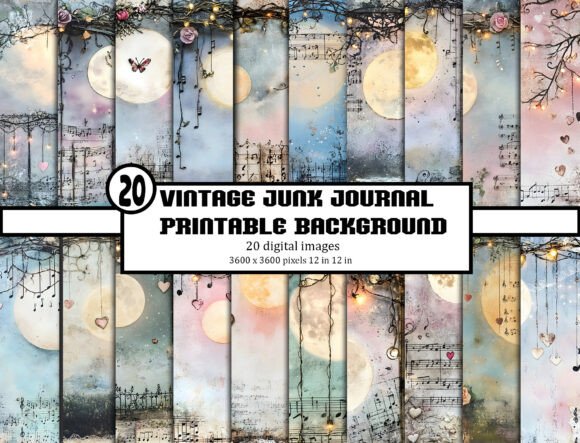
There is a specific emotional weight that comes with textures that mimic the passage of time. When you download this set of Vintage Junk Journal Printable Backgrounds, you aren't just getting twenty generic digital papers; you are acquiring a toolkit for visual storytelling. These backgrounds are defined by their 12x12 inch dimensions and high-resolution 300 DPI quality, but the real value lies in their personality. They speak the language of history, memory, and authenticity.
Visually, these designs likely feature the hallmarks of vintage stationery. Think about the subtle grain of aged newsprint, the soft yellowing of old ledger pages, or the faint ghosting of text that has been erased by time. Unlike a flat, digital white background, these files offer a tactile quality even in a digital format. The "junk journal" style implies a certain organized chaos—a mix of ephemera, textures, and layers that create depth. For a designer, this means you have an instant foundation that requires very little "warming up" to make it feel human.
The appeal of this style is that it bridges the gap between the digital and the physical. In an era where so much content feels sterile and algorithmic, introducing a vintage junk journal aesthetic can be a breath of fresh air. It suggests craftsmanship and care. Whether you are a crafter printing these out for a physical art journal or a digital marketer using them as a social media background, the effect is the same: it commands attention through texture rather than just color.
Strategic Applications for Modern Creators
While these backgrounds are perfect for traditional scrapbooking and personal journaling, their utility extends far beyond the hobbyist’s table. As a content creator or small business owner, you are constantly looking for design assets that help you stand out. Here is how you can integrate these 20 unique designs into your workflow.
For Branding and Marketing:
If your brand identity leans toward the artisanal, the rustic, or the intellectual, these backgrounds are a goldmine. They work exceptionally well for small businesses selling handmade goods, coffee shops, bookstores, or boutique clothing lines. You can use them as the base for your packaging design—imagine a product tag or a thank-you card printed on a texture that looks like it came from a century-old diary. This adds a layer of perceived value to your product without the cost of custom letterpress printing.
For Digital and Editorial Design:
In the realm of web design and editorial design, texture is often used to break up monotony. These JPEG files can serve as hero images for blog posts about history, travel, or lifestyle. They also function beautifully as backgrounds for quote graphics or promotional flyers. Because the files are 300 DPI, you have plenty of room to crop into specific sections of the design without losing clarity. This allows you to get multiple "looks" out of a single file by focusing on different areas of the texture.
For Content Creators and Influencers:
On platforms like Instagram or Pinterest, visual consistency is key. Using a cohesive set of vintage backgrounds can help tie your grid together. For example, you could use these textures behind text overlays for tips, recipes, or storytelling captions. The background adds visual interest that stops the scroll, while the texture ensures that your text remains legible if you choose a clean sans serif font to contrast against the ornate background.
Design Principles: Pairing and Professionalism
Using a textured background effectively requires a bit of strategic thinking regarding visual hierarchy and typography. A vintage background is inherently busy. If you pair it with a highly decorative script font or a complex handwritten font, the result can be illegible. The key to making these backgrounds work in a professional capacity is contrast.
When overlaying text on these vintage junk journal backgrounds, consider using a modern typography approach. A clean, bold serif font or a geometric sans serif font often creates the best font pairing with a distressed background. The modern typeface cuts through the noise of the texture, ensuring your message is readable. This contrast actually strengthens your design; the vintage background provides the emotion and atmosphere, while the modern font provides the clarity and information.
It is also worth considering the context of commercial use. When you utilize high-quality assets like these, you elevate the professionalism of your output. Low-resolution images or poorly scanned textures can make a brand look amateurish. However, these 12x12 inch, 300 DPI files are print-ready. This means you can confidently use them for high-stakes projects like event invitations, business stationery, or marketing brochures without worrying about pixelation or muddy details.
Practical Tips for Implementation
To get the most out of this collection, you should treat them as versatile creative fonts and assets rather than static images. Here are a few practical ways to manipulate them for maximum impact:
- Opacity Adjustments: If the texture is too strong for your needs, lower the opacity of the layer in your design software. This allows the background to whisper rather than shout, giving you a subtle grain that adds depth without distracting from your foreground content.
- Color Overlays: While the natural vintage tones are beautiful, don't be afraid to apply a "Multiply" blending mode or a soft color overlay. This can help the background align with specific brand identity color palettes while retaining the organic texture of the paper.
- Print Testing: Since these are designed for physical crafting, always do a test print. Monitor screens emit light, but paper reflects it. A background that looks perfect on your laptop might look slightly different when printed on matte cardstock versus glossy photo paper. The 300 DPI resolution ensures the fidelity is there, but the paper stock will influence the final "vibe."
Ultimately, this set of 20 designs is an investment in versatility. Whether you are a publisher designing a book cover, a marketer creating an email header, or a hobbyist making a gift for a friend, these vintage junk journal printable backgrounds