Shabby Chic Vintage Flowers Backgrounds: A Designer's Guide to Rustic Floral Charm
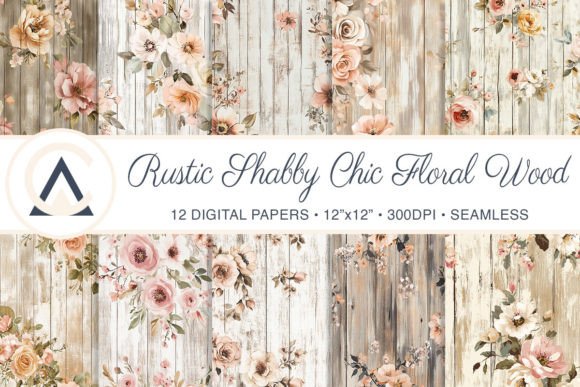
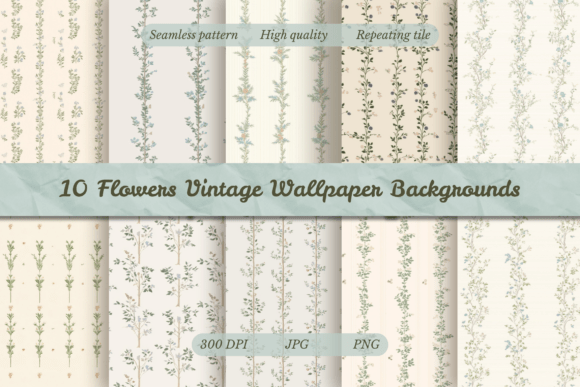
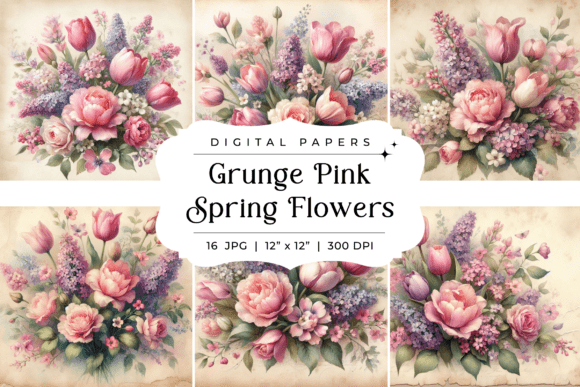
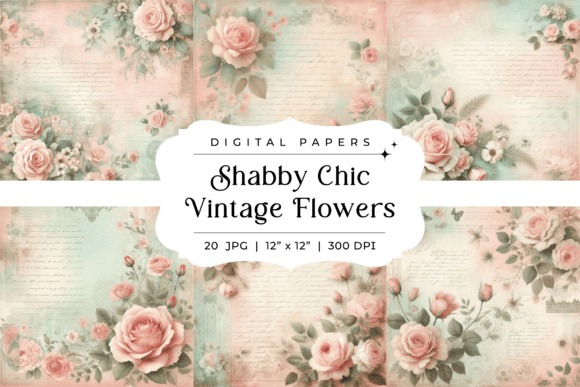
There’s a certain warmth that comes from a design that feels lived-in, a little worn, and full of character. Shabby Chic Vintage Flowers Backgrounds capture this feeling perfectly. They’re not just digital papers; they’re a texture, a mood, and a storytelling tool. Imagine soft, watercolor roses in dusty pinks and faded teals, layered with subtle grunge effects and distressed edges. This collection offers a romantic, nostalgic aesthetic that feels both elegant and approachable. It’s the visual equivalent of a well-loved book or a cherished heirloom.
What defines this style is its intentional imperfection. The color palette leans into muted, soft tones—think blush pink, sage green, turquoise, and creamy whites. The floral elements, often centered on classic roses, have a hand-painted, slightly faded quality. The grunge and distressed overlays add depth and a sense of history, preventing the designs from feeling overly sweet or brand new. This balance is key to its broad appeal. It feels rustic yet refined, vintage but not dated. For a designer, it’s a versatile asset that can evoke emotion and set a specific tone instantly.
Where This Floral Aesthetic Truly Shines
The real power of these backgrounds is their ability to transform a project’s atmosphere. They excel in contexts where warmth, authenticity, and a personal touch are paramount. For brand identity, especially for businesses in the wedding, lifestyle, boutique, or artisan sectors, these textures can form the foundation of a logo design or stationery suite. They communicate craftsmanship, care, and a story behind the brand.
In editorial design and packaging design, these backgrounds serve as beautiful, unobtrusive foundations. Use them as the base for a cookbook cover, a magazine feature on vintage gardening, or product labels for handmade soaps and candles. The texture adds interest without competing with typography. For digital creators, they are gold. As website backgrounds for a blog or a small e-commerce site, they create an inviting, cohesive look. On social media graphics, they provide a consistent, recognizable aesthetic for quotes, announcements, or promotional posts that feels curated and professional.
Beyond commercial use, the applications are just as rich. Crafters and hobbyists will find them invaluable for digital scrapbooking, creating printable art, designing invitations, or developing unique junk journal ephemera. The 12x12 inch, 300 DPI format is ideal for high-quality print projects, ensuring crisp results on everything from cards to posters.
Making It Work: Practical Tips for Designers and Creators
Integrating a strong stylistic element like this requires a thoughtful approach. The first step is always evaluation. Does the romantic, rustic personality of Shabby Chic Vintage Flowers Backgrounds align with your project’s core message? It’s a poor fit for a tech startup aiming for a sleek, futuristic look, but a perfect match for a floral studio, a vintage clothing brand, or a heartfelt personal blog.
Next, consider your typography. The backgrounds are busy with texture, so your text needs to stand out clearly. Pair them with clean, simple typefaces. A modern serif font or a straightforward sans serif font often works best for body text, ensuring readability. For headlines, you could use a elegant script font or handwritten font, but be cautious—test it at the size it will be used to ensure legibility over the floral patterns. The goal is visual hierarchy; the background should support your message, not swallow it.
Think about color extraction. You don’t have to use the entire background as-is. Sample the muted pink, teal, or green from the floral elements to create a cohesive color palette for your text, icons, and other design elements. This creates a harmonious and intentional look. Finally, always check the licensing. This collection is provided as a commercial font and design asset, meaning you can use it in projects for sale. This is crucial for entrepreneurs and small business owners planning to sell products featuring these designs.
Ultimately, the best way to know if it works is to experiment. Place your draft logo, text layout, or product mockup over a few different backgrounds from the set. See how it feels. Does it enhance your story? Does it connect with your intended audience? When the answer is yes, you’ve found more than just a background—you’ve found a piece of your brand’s visual voice.